Customer Support and Voice AI
AI receptionist for small business: calls, bookings and handoffs
What an AI receptionist does on a real call, the rules that apply, a sample greeting and a pass/fail checklist to launch one safely.

A call placed automatically after a missed call, an abandoned booking or a past purchase, before the moment passes.
Interest fades quickly after a missed call, a half-finished booking or a quiet stretch after a purchase. AI Voice Follow-Up calls people back automatically when one of those moments happens, mentions what actually took place, and picks the conversation up from there. You choose the triggers, the scripts and the calling hours, and every call is logged with a transcript and outcome.
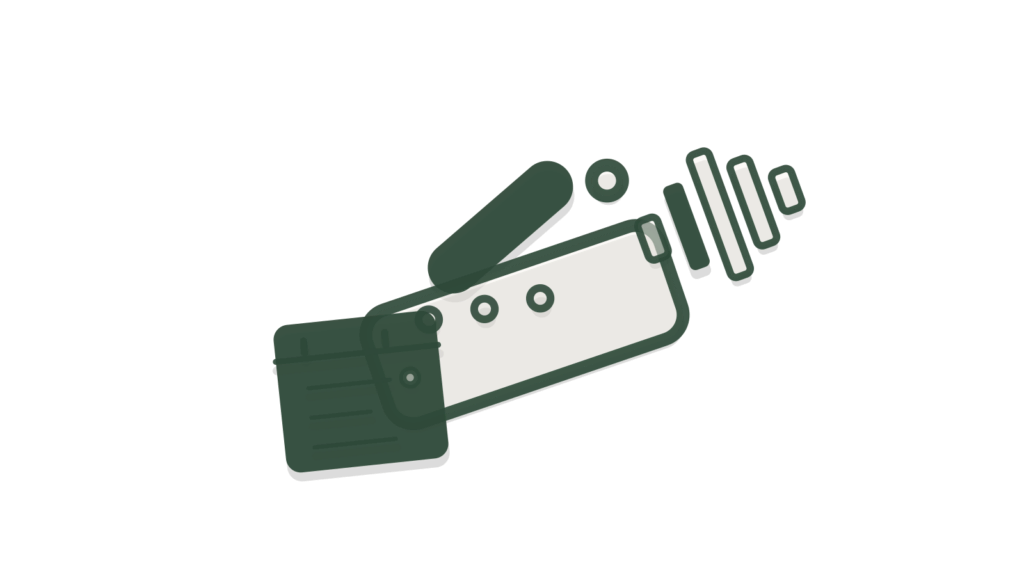
AI Voice Follow-Up places a call automatically when a specific event happens, such as a missed inbound call, an abandoned booking, or a past purchase reaching its follow-up window. The trigger decides when the call happens, and the conversation picks up where things were left off.
Every missed call and unfinished booking is a customer who was ready a moment ago. Most teams mean to follow up, but busy days win and the window closes. This agent makes those calls on time, every time, with a reason the person recognizes, and passes anyone who wants a person straight to your team. The calls stop depending on someone remembering. Because the triggers, flows and connected systems are written on the Scope Card before you pay, you know what it will call about and what it will leave alone.
A missed call can trigger an automatic callback. The agent picks up the conversation and either resolves the request or hands it to your team.
When a booking is started but not finished, the agent calls to help complete it. The trigger comes from your connected booking or CRM system.
Past purchases can trigger a call when the agreed follow-up window arrives. The conversation runs from one of up to five flows you approve. Customers hear from you at the moment that suits the relationship.
The trigger decides when each call happens, so nothing depends on memory. Outcomes are written back to your connected system for the team to see.
Your portal lists these the moment you order. Delivery starts the working day after everything is in and your access is checked.
| Option | Delivery time | Price |
|---|---|---|
| Standard | 20–30 working days | $4,900 |
| Express | 15–25 working days | $5,750 |
| Rush | 10–20 working days | $6,600 |
Before you start: Record a month of missed calls and how many were returned. Count abandoned bookings and follow-ups that slipped past their window.
These are things to track, not promised results. Outcomes depend on your data, your team and your market.
The build price is paid once. Call minutes are billed directly in your own accounts, roughly $0.13 to $0.31 per connected minute all in, covering the voice platform, the AI model and telephony, plus number rental. Because calls only happen when a trigger fires, monthly cost tracks how often those events occur, such as your missed-call or abandoned-booking rate, rather than a fixed calling schedule.
AI usage during build and testing is billed to your own accounts too, so every provider relationship stays yours.
Ask about running costsNeed more than five trigger types, or a trigger source beyond the Scope Card's two connected systems? Add a note at checkout and you get a written Change Quote, with work starting only once you accept it. Larger or bespoke projects go through the Custom AI request form instead.
Request a custom versionMonthly maintenance covers monitoring, fixes, updates, a monthly health report and change hours to adjust a trigger's timing or refresh its script. It starts after the thirty days of included support and can be cancelled any month.
$249/mo (the minimum fee, includes 2 change hours)
Optional. Starts after the post-launch support period. Cancel any month.
How maintenance works| Do it yourself with a SaaS tool | Hire a custom agency | Upmark Labs | |
|---|---|---|---|
| Price | A marketing automation tool bundles follow-up as one feature of a broader plan | A custom build gets quoted after discovery calls | Ours is one fixed price, shown on this page before you buy |
| Channel | Automated follow-up is usually email or text, not a phone call | Depends entirely on what the agency scopes | Ours calls, which gets noticed when messages get missed |
| Delivery | Automation platforms are self-serve but slow to configure well | An agency build usually runs several weeks | Ours has a fixed delivery time shown before you buy, with faster options |
| Context on the call | Depends on how well the platform passes event data through | Depends on what was agreed with the agency | Ours opens by referencing the specific event that triggered the call |
Common triggers are a missed inbound call, an abandoned or incomplete booking, and a past purchase reaching a follow-up window you define, such as thirty days after delivery. You can configure up to five trigger types on one build, each with its own script and calling window.
Lead Qualification calls brand-new leads as soon as they arrive, to score and route them. This build is triggered by a specific prior event involving someone you already have a relationship with, such as a missed call or an abandoned booking, and its job is re-engagement, not scoring a new contact.
It references the specific event, for example mentioning the missed call or the item left in an incomplete booking, using the framing you approved for that trigger. That context is what usually gets someone to stay on the line, compared with a generic outbound call with no reason given.
Connected call minutes run roughly $0.13 to $0.31 all in, covering the voice platform, the AI model and telephony, plus number rental, paid directly in your own accounts. Because this build only calls when a trigger fires, monthly cost follows how often those events happen, not a fixed volume.
Once your intake is complete and access is verified, the clock starts on the fixed delivery time shown for each speed in the price and delivery panel on this page. Before any trigger goes live, we run fifty test calls across your flows and send the transcripts, so you approve how each follow-up sounds first.
Yes. The call opens with a short disclosure in wording you approve, delivered before the re-engagement conversation continues. Several US states and countries have specific disclosure and consent requirements for automated outbound calls, and the wording is set during intake and can be updated later through monthly maintenance.
Yes. Adjustments to an existing trigger's timing or script fit inside the monthly change hours in maintenance. A genuinely new trigger type beyond the five in scope is scoped and quoted as an Additional Workflow before the work starts. Maintenance also covers monitoring, fixes and a monthly health report, and can be cancelled any month.
What an AI receptionist does on a real call, the rules that apply, a sample greeting and a pass/fail checklist to launch one safely.
Order AI Voice Follow-Up and it is calling missed calls, abandoned bookings and past customers on a fixed delivery date.

Follows up by phone after quotes, visits or missed calls, adapted for Financial Services businesses that handle document-heavy, rule-bound client operations where…
Follows up by phone after quotes, visits or missed calls, adapted for Education & Training businesses that need to follow up every…

Follows up by phone after quotes, visits or missed calls, adapted for Healthcare Administration businesses that are overwhelmed by scheduling, reminders and…