Platform
MCP Server Build
A production MCP server for one of your systems, with up to 8 tools, secure sign-in, action logging and tests in AI…

Multiple AI agents work one complex task together, each with a defined role, handing off automatically to the next step.
Complex AI tasks often need several agents, one to research, one to draft, one to check, and stitching them together by hand gets fragile fast. AI Agent Orchestration System coordinates those agents in one runtime, with defined roles and handoff rules. It tracks usage, latency and cost for every run. You own the configuration in your own version control.
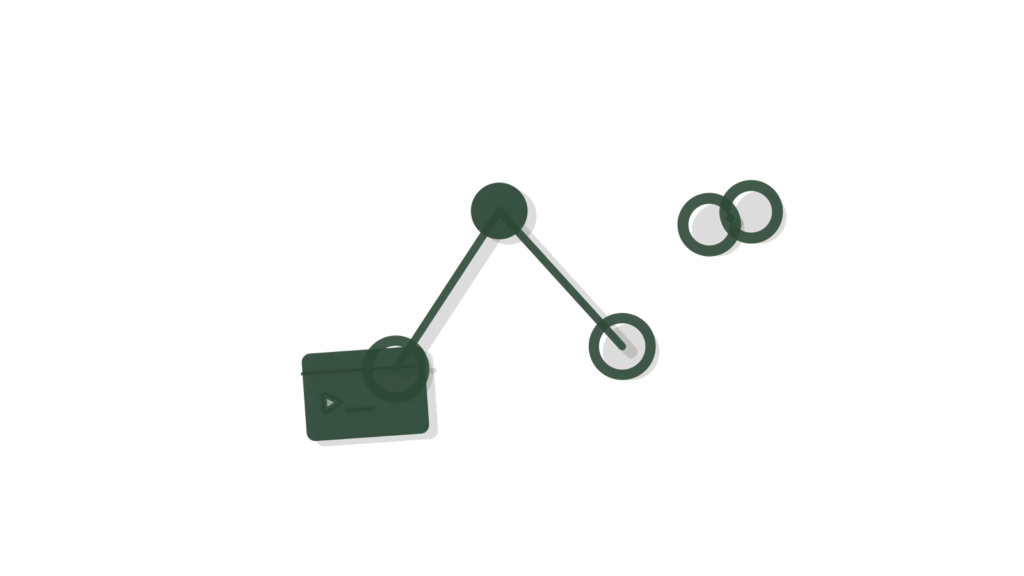
AI Agent Orchestration System coordinates multiple AI agents so they work together on one complex task, handing work between agents, tools and steps without you scripting each handoff by hand. It tracks usage, latency and cost per workflow, across whichever providers your agents run on.
Multi-agent workflows built from scripts and glue code tend to break quietly. A handoff fails, an agent loops, costs climb, and nobody can see where it went wrong. After this build, your agents run in one coordinated runtime with clear roles, explicit handoffs and per-run tracking, so the workflow is predictable and easy to inspect. You can swap a provider for one role without rebuilding the rest. The Scope Card sets the systems, controls and handoff rules in writing before you buy, so the scope is clear.
The Orchestration System coordinates several agents on one complex task. It hands work between agents, tools and steps, so your developers stop hand-writing and maintaining each handoff.
Each step in the workflow is tracked in the admin console or written report. When something stalls, your team can see where it stopped and which agent held it.
Usage, latency and cost are tracked per workflow across whichever providers your agents run on. Up to three systems or AI applications are covered in this build.
Your portal lists these the moment you order. Delivery starts the working day after everything is in and your access is checked.
| Option | Delivery time | Price |
|---|---|---|
| Standard | 20–30 working days | $6,900 |
| Express | 15–25 working days | $7,950 |
| Rush | 10–20 working days | $8,950 |
Before you start: List the multi-step tasks your agents handle and how handoffs work today. Note recent failures and how long each took to trace.
These are things to track, not promised results. Outcomes depend on your data, your team and your market.
The build price is a one-time cost. Running the orchestration afterwards costs roughly $20 to $300 a month in your own accounts, covering hosting plus the logging and monitoring tools that track each agent's usage.
AI model usage during build, testing and afterwards is also billed directly to your own provider accounts, so you keep every provider relationship rather than routing it through us.
Ask about running costsIf your workflow needs more than five controls, or agents that reach beyond three connected systems, add a note at checkout. You get a written Change Quote, and your original order keeps its normal timeline. Larger or bespoke projects use the Custom AI request form instead.
Request a custom versionFor this build we recommend monthly maintenance: monitoring, fixes and a monthly allowance of change hours, which covers new agent roles or adjusted handoff rules as the workflow evolves. It starts after the 30 days of support and can be cancelled any month.
$345/mo (5% of the build price a month, includes 3 change hours)
Optional. Starts after the post-launch support period. Cancel any month.
How maintenance works| Do it yourself with a SaaS tool | Hire a custom agency | Upmark Labs | |
|---|---|---|---|
| Price | A workflow platform charges a recurring seat or usage fee | A custom multi-agent build is quoted after discovery | Ours is one fixed price, shown on this page before you buy |
| Scope | A workflow platform leaves you to wire up each agent yourself | An agency agrees scope during the project | Ours is written to your agents and handoffs before you order |
| Delivery | A workflow platform still needs real configuration before it runs | An agency build usually takes several weeks, set per project | Ours has a fixed delivery time shown before you buy, with faster options |
| Visibility | A workflow platform's metrics depend on what you instrument yourself | An agency build depends on what was agreed | Ours tracks usage, latency and cost per workflow from day one |
The fixed price for each delivery speed is shown in the price and delivery panel on this page, so you see it before you order. It covers everything on the Scope Card: coordinating agents across up to three connected systems, up to five controls or handoff rules, per-run tracking of usage, latency and cost, and the control test log you review before launch.
Running it afterwards costs roughly $20 to $300 a month in your own accounts, mostly hosting plus the logging and monitoring tools, such as Langfuse or Grafana, that track each agent's activity. There is no separate license fee on top of that figure. AI model usage from providers such as OpenAI or Google bills separately, directly to your own provider accounts.
The build covers up to five controls, policies or monitors configured across your agent workflow, which in practice covers most multi-agent setups with a handful of distinct roles. If your workflow needs more agents or handoff rules than that, we quote the extra work as a Change Quote before it starts, so nothing gets built without your sign-off first.
Yes. The orchestration runtime is built vendor-neutral, so a single workflow can call OpenAI, Google Gemini, AWS Bedrock or Azure OpenAI, depending on which agent needs which model. You are not locked into one provider, and a provider for a specific agent role can be swapped later without rebuilding the whole multi-agent workflow.
We need admin access and API keys for every system each agent connects to, shared by adding our team as a user or creating a key you control, never by email, plus cloud or hosting access for wherever the runtime will run. A technical owner who understands your current agent setup makes the intake faster, since most questions concern existing configuration and accounts.
Yes. Small adjustments to an existing agent's role or a handoff rule usually fit inside the monthly change hours that come with maintenance. Adding a genuinely new agent role, or connecting a fourth or fifth system beyond the three in scope, goes through a Change Quote agreed in writing before that extra work begins on your workflow.
Yes. Maintenance has no lock-in, so you can cancel any month once the 30 days of included support has ended. Unused hours do not roll over to the next month. If your workflow settles down and needs fewer changes, you can decide whether you still need it.
You do. Agent roles, prompts and handoff rules are kept in version control that you hold, not a platform we control, so the whole configuration stays visible and editable by your own team. We hand over an admin guide and a recorded session covering how each part works, and nothing about the setup stays locked to us.
Order AI Agent Orchestration System and your agents are coordinated in one workflow, live on a fixed delivery date.
A production MCP server for one of your systems, with up to 8 tools, secure sign-in, action logging and tests in AI…